

Editorial Disclosure: TopDatingFinder is reader-supported. When you buy through links on our site, we may earn an affiliate commission at no extra cost to you. Mentions of programs, books, or coaching are based on the publisher’s or provider’s public sales page, not on a hands-on test.
Relationship Hero is a one-on-one relationship coaching service. Coaching is practical support; it is not therapy and not a substitute for mental-health treatment or crisis care.
As an Amazon Associate I earn from qualifying purchases.
See our affiliate disclosure.
Wondering why do i feel anxious in my relationship even when things are good? The psychological answer anxiety in a relationship often comes from uncertainty and old attachment patterns, not proof that something is wrong. Ask which it is: your own alarm going off, or a partner who really is inconsistent. Calm your body first, then check the facts. If he is reliable and you still panic, the next step is caring for your own alarm.
Key takeaways
- Feeling anxious doesn’t automatically mean something is wrong in the relationship.
- Separate the feeling from the facts: what actually happened, and what is the story you’re telling yourself?
- Calm your body before you text, ask, or decide.
- Ask for what you need in one clear sentence, not a demand for constant reassurance.
- If anxiety is affecting your sleep, work, or daily life, talk to a licensed professional.
He said he would call tonight, and now it is past ten o’clock. You have checked your phone three times, staring at a quiet screen and imagining the worst. The next morning he texts that work ran late and he fell asleep. Relief washes over you, followed by asking yourself again: why do i feel anxious in my relationship over an ordinary delay?. If you have ever stayed awake late typing “why do I feel anxious in my relationship” into a search bar, you know how draining that cycle can be.
Asking why do i feel anxious in my relationship rarely means your bond is doomed or that you are broken. More often, when asking why do i feel anxious in my relationship, it reflects an internal alarm triggered by vulnerability. It can make you expect disaster even with a steady partner—or blur the line between personal worry and real inconsistency on his part. This guide explains what relationship anxiety looks like, why it happens, how to tell your alarm from genuine red flags, and a calm four-step routine to use before reacting. (If you are re-entering dating, exploring dating apps for introverts or dating apps based on personality can also reduce initial social pressure.)
In this article
1. Recognizing the Symptoms: Why Do I Feel Anxious in My Relationship?
Relationship anxiety is an ongoing hum of vigilance where ordinary pauses in communication feel like emergencies. This constant vigilance explains why do i feel anxious in my relationship even when things seem fine on the surface.
When exploring why do i feel anxious in my relationship, notice how it manifests in everyday habits:
- Checking your phone repeatedly: Unlocking your screen every few minutes, tracking read receipts, or checking his last-active status on social media when a reply is delayed.
- Reading short replies as anger: Treating a brief answer, missing emoji, or neutral tone as proof his feelings cooled.
- Needing constant reassurance: Asking “Are we okay?”, feeling brief relief, and watching that comfort fade within hours as the urge returns.
- Waiting for bad news during good times: Bracing for the other shoe to drop when things go smoothly, convinced peace cannot last.
- Suffering from a vulnerability hangover: Feeling an intense wave of regret the day after expressing honest affection, convinced you said too much and drove him away.
- Withholding your needs to keep the peace: Swallowing preferences or boundaries out of fear that speaking up will push him away.
- Restlessness when he is with friends: Feeling an uneasy knot whenever he is out, wondering if he prefers being away from you.
- Treating minor friction as a breakup: Viewing a small schedule mix-up or quiet evening as proof the relationship is ending.
Occasional nerves before a vulnerable talk are normal. However, when these anxious patterns become a daily preoccupation that drains your focus and disrupts your sleep, it is time to look at what is driving the worry.
2. Root Causes: Why Do I Feel Anxious in My Relationship When Things Are Good?
Relationship anxiety often surges when nothing is wrong. If your nervous system is used to unpredictability, a calm and steady bond can feel unfamiliar, tricking your mind into mistaking peace for danger.
Several common dynamics fuel relationship anxiety:
- Lingering ambiguity: If you have not clarified where you stand, your mind works overtime attempting to decode his interest from subtle cues.
- Past relational hurt: If an ex blindsided you, cheated, or ghosted, your internal alarm learned that danger strikes without warning.
- Baseline self-doubt: When personal security depends heavily on outside validation, any normal lull in attention feels like a harsh judgment on your worth.
- Everyday stress: Work pressure, financial worry, and poor sleep lower your emotional bandwidth, making minor uncertainties feel intense.
What anxious attachment means
Attachment theory is a popular, helpful framework for understanding intimacy. Rather than a medical diagnosis or personal defect, an attachment style describes strategies developed early in life to seek safety and connection. When emotional responsiveness was unpredictable growing up, high vigilance was an understandable adaptation.
In adult dating, an anxious attachment pattern involves a strong desire for closeness paired with fear of abandonment. People with this tendency are acutely attuned to small shifts in tone and texting habits. When normal space occurs—because a partner is busy or tired—the anxious system often reads that space as withdrawal.
This pattern is not permanent. Many people develop earned security over time through self-awareness, steady self-soothing, and reliable partners. Recognizing the pattern is vital, because anxious tendencies can draw you toward unhelpful dynamics.
Many women notice that an anxious attachment tendency pulls them toward emotional volatility, where the adrenaline of mixed signals from a guy is easily mistaken for intense chemistry.
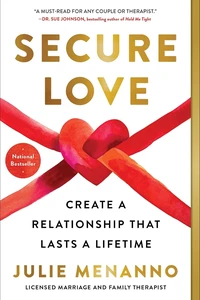
Further reading — Secure Love (Julie Menanno): Based on its published description, the book is a practical introduction to attachment in relationships, with scripts and exercises for moving from anxious or avoidant patterns toward feeling more secure together. It may suit readers who want something hands-on rather than theoretical.
Check price on Amazon Affiliate link
Is it anxiety or your intuition?
A central challenge is knowing whether you are feeling an internal false alarm or intuition warning you of real inconsistency. Soothing yourself shouldn’t mean ignoring red flags, nor should speaking up create drama over simple misunderstandings.
While intuition and anxiety can both cause physical tension, they have distinct patterns. Use this comparison to clarify what you are experiencing:
| Question | Your alarm | A real pattern |
|---|---|---|
| What triggered the feeling? | A single isolated event, like a delayed text or quiet tone after work. | Repeated, concrete actions over time, like breaking plans or lying. |
| How long does it last? | It spikes in waves, often when tired, and eases once you get busy. | A steady undercurrent of unease that lingers for weeks or months. |
| What is his track record? | He is generally reliable, keeps promises, and communicates openly. | He is evasive, gives vague excuses, and acts hot and cold. |
| When you ask him directly? | He listens without defensiveness, and your body relaxes after talking. | He deflects, turns questions on you, or calls you dramatic and crazy. |
| Where else do you feel this? | Similar dread has surfaced in past relationships or high-stress jobs. | The dread only appears around him, matching his unpredictable actions. |
Remember that both can exist together: you might have an anxious attachment tendency, and he might also be genuinely inconsistent. In fact, an anxious system often second-guesses itself and tolerates poor treatment because it assumes every issue is its own fault.
If this comparison suggests his behavior is genuinely unreliable, over-functioning will not fix the relationship. Learning how to stop chasing a man can help you pause unilateral outreach and see whether he steps up on his own.
Looking at behavioral benchmarks for how to know if he’s serious about you will give you an objective way to evaluate his commitment without relying on anxious speculation.
What to do when the anxiety hits

When relationship anxiety strikes, your nervous system treats silence as an emergency. Analyzing things while panicked leads to rushed reactions. Instead, practice four grounded steps.
1. Calm your body first
Anxiety is a physical state before a mental one. When your chest feels tight, logical reasoning is offline. Reset physically before touching your phone: take slow breaths for three minutes, drink cool water, or take a brief walk. Lowering your heart rate signals safety so you can think clearly.
2. Write down the facts
Divide a paper into two columns: “What Happened” and “The Story I Am Telling Myself.” In the first column, write only objective facts: “He texted at noon that he had meetings, and it is now 5:00 PM without an update.” In the second, write your fearful assumption: “He lost interest and is pulling away.” Seeing the difference on paper stops catastrophic spirals.
3. Wait before you act
Give yourself a pause window—thirty minutes to overnight—before sending a follow-up text. In the moment, reaching out feels urgent. Yet rapid-fire texts or asking “Are we okay?” rarely brings real relief; it usually brings brief comfort followed by regret. Let the initial emotional spike pass first.
4. Ask for what you need in one sentence
Once calm, if you have a reasonable communication preference, state it simply. Avoid accusations or paragraphs. A direct request works best: “When plans change, a quick text helps me relax. Could you give me a heads-up next time?” State what helps, keep your tone warm, and let him respond.
In anxious moments, avoid behaviors that worsen the loop:
- Do not check his phone or track location: Snooping damages trust and fuels endless suspicion.
- Do not demand constant check-ins: Expecting hourly reports smothers connection.
- Do not test him with silence or drama: Withdrawing to see if he chases you creates exhaustion, not intimacy.
- Do not ask for reassurance repeatedly: Asking multiple times in one night puts your emotional stability entirely on him.
How to talk to your partner about it
Sharing relationship anxiety can feel daunting, but honest vulnerability builds closeness. Talk during a calm, neutral moment rather than during an argument.
Approach the conversation from self-awareness. Own your feelings without asking him to manage your emotions or asking for absolute certainty about the future. A clear, balanced script helps set the tone:
“I’ve noticed I get anxious when I don’t hear from you, and I’m working on it. It would help if we agreed on how we check in on busy days.”
Notice how he responds. A supportive partner will listen, appreciate your honesty, and discuss practical ways to help you feel connected. If he mocks you, turns defensive, or uses your honesty against you, that reaction is a serious warning sign.
If a partner uses control, intimidation, threats, or cruelty that makes you feel unsafe, your anxiety is functioning as an important warning; prioritize your safety, reach out to trusted friends, and consider contacting the National Domestic Violence Hotline (1-800-799-7233 or thehotline.org).

If you want a structured way to separate anxiety from genuine connection and hold healthy boundaries without shutting down, self-paced guidance can offer practical clarity.
8 Lessons • Private Community
Modern Relationships for Women
If you want a structured way to work on this, Modern Relationships for Women is an online course from Full-Wisdom. Based on its sales page, its eight lessons include one on telling anxiety apart from love, plus lessons on boundaries without going cold and on reciprocity. It’s an educational course, not therapy. Access includes a required membership that renews monthly until you cancel.
- Anxiety vs. Love
- Monthly Membership, Cancel Anytime
- 60-Day Return Period
From $69.03, then $7.95/month · Price checked Nov 17, 2026; prices can change
When to get more support
While self-soothing and communication tools can reduce everyday friction, there are times when outside support is necessary. If anxiety is affecting your sleep, work or daily life, or it has lasted a long time, talk with your doctor or a licensed mental-health professional. If you’re in crisis or thinking about harming yourself, call or text 988 to reach the 988 Suicide & Crisis Lifeline in the US.
Therapy and relationship coaching serve different roles. Psychotherapy is clinical care provided by licensed professionals to diagnose and treat anxiety disorders, process trauma, and resolve deeper mental health conditions. Relationship coaching is practical guidance focused on communication habits and specific dating situations.
If you’d like to talk through a specific relationship situation with a live coach, Relationship Hero (Affiliate link) offers one-on-one relationship coaching by chat, phone, or video. Based on its site, pricing varies by coach and the type of support you choose. Coaching is practical support, not therapy, and it is not a replacement for mental-health treatment or crisis support.
8. Frequently Asked Questions: Why Do I Feel Anxious in My Relationship?
Why do I feel anxious in my relationship when nothing is wrong?
Feeling anxious during calm stretches often comes from past hurt or an anxious attachment pattern where peace feels unfamiliar. If your nervous system is used to volatility, steady love can feel vulnerable. Distinguish internal alarm from reality: if he is reliable, remind yourself that safety is allowed.
What are the signs of relationship anxiety?
Common signs include checking your phone repeatedly, reading short texts as anger, needing frequent validation, holding back your real opinions, and bracing for disaster when things go well. While occasional nerves are normal, persistent worry that disrupts your sleep and focus indicates relationship anxiety.
Is it anxiety or my gut telling me something?
Anxiety usually flares over isolated, minor events—like a delayed text or neutral tone—and brings racing thoughts that ease when distracted. Intuition is typically a quiet, steady knowing rooted in repeated behavioral patterns, such as regular broken plans, evasiveness, or stories that fail to add up over time.
Can anxious attachment change?
Yes, many people develop earned security over time. While changing emotional habits takes practice, soothing your nervous system, challenging fearful assumptions, expressing needs directly without demands, and choosing reliable partners can help you shift from chronic vigilance toward calm confidence in relationships.
Why do I get anxious when he doesn’t text back?
When hours pass without a reply, the silence creates uncertainty that an anxious mind quickly fills with worst-case fears, like fading interest. The delay triggers a physical fight-or-flight response. To break this loop, calm your body first, write down the neutral facts, and wait before texting again.
Should I tell my partner I have relationship anxiety?
Yes, having an honest conversation during a calm, low-stress moment can foster closeness. Frame the talk around your self-awareness and practical adjustments rather than demanding non-stop reassurance. Explain that you are working on your reactions, and agree on simple ways to check in on busy days.
How do I stop needing so much reassurance?
Start by soothing your nervous system before asking your partner for comfort. When the urge strikes, pause for thirty minutes, write down what actually occurred versus what you fear, and recall past evidence of his care. When you ask, state your practical need in one sentence instead of asking for repeated reassurance.
When should I see a therapist for relationship anxiety?
Reach out to a licensed therapist or physician if anxiety consistently disrupts your sleep, work, physical health, or daily life, or if you feel unable to manage panic on your own. Professional therapy provides specialized clinical tools for underlying anxiety and trauma. In the US, if in crisis, call or text 988.

More relationship advice
Looking for grounded perspectives on modern dating, setting boundaries, and building healthy connections? Explore our full collection of articles in the Relationship Advice Hub.