

Editorial Disclosure: TopDatingFinder is reader-supported. When you buy through links on our site, we may earn an affiliate commission at no extra cost to you. Mentions of programs, books, or coaching are based on the publisher’s or provider’s public sales page, not on a hands-on test.
As an Amazon Associate I earn from qualifying purchases.
See our affiliate disclosure.
Navigating christian dating after divorce requires many Christians date after divorce, but the starting point is healing and honest reflection, not a quick replacement. Talk with your pastor about your church’s view on remarriage, take time to understand what went wrong, and be open about your history early. Look for a partner who shares your faith and treats your past with grace.
Key takeaways
- Churches differ on remarriage after divorce, so start with your pastor, not a stranger online.
- Healing first: grief, anger and old patterns tend to follow you into the next relationship.
- If you have children, their stability sets the pace.
- Share that you’re divorced early and briefly; the full story can come with trust.
- Look for someone whose faith is central and who treats your past with grace.
In this article
The legal paperwork is final, the living arrangements are settled, and life is finding a steady rhythm again. Then friends or family begin asking: are you ready to date again? For believers, christian dating after divorce brings up a mix of hope and hesitation. You may want companionship and a shared faith, while wondering how your church will view your decision, whether you are truly ready, and how dating might affect your kids.
Approaching christian dating after divorce calls for prayerful patience and emotional readiness. Many believers quietly wrestle with feeling like damaged goods in church singles groups or carrying an unspoken scarlet letter. Healthy dating is not about rushing to fill an empty seat; it begins with honest reflection, pastoral counsel, and clear standards. Below, we look at how Christian traditions view dating after divorce, questions to ask your pastor, a readiness self-check, co-parenting principles, how to talk about your past, where to meet other believers, and red flags to watch for.
1. What Scripture Says: Is Christian Dating After Divorce Allowed?
Across Christian traditions, churches differ on remarriage after divorce. Some traditions view marriage as an indissoluble covenant and discourage dating while a former spouse is living. Other traditions recognize biblically permitted exceptions—often citing infidelity or abandonment—and support remarriage when healing has occurred. Other congregations take a case-by-case pastoral approach centered on restoration, grace, and personal safety.
A vital distinction is legal finality. In the context of christian dating after divorce, dating while proceedings remain active creates painful crossfire. Waiting until legal closure is complete is foundational for healthy christian dating after divorce.
Scriptural discussions usually center on Matthew 19, Mark 10, and 1 Corinthians 7, addressing covenants, abandonment, and peace. Interpretations vary across denominations, so this guide does not offer a theological ruling. When navigating christian dating after divorce, speaking with pastoral leaders provides grounded wisdom.
Before creating a dating profile, arrange a quiet conversation with your pastor or elder for wisdom and accountability. Consider asking these questions:
- What does our church teach about remarriage after divorce?
- Does the reason for my divorce change that?
- Is there a divorce recovery group or mentor you’d recommend?
- What would healthy dating look like for me in this season?
If your personal convictions or the circumstances of your divorce differ from your church’s position, consider speaking with another trusted pastor or a licensed Christian counselor who can provide prayerful, objective support as you discern your path.

2. 7 Signs You Are Ready for Christian Dating After Divorce
Knowing whether you are ready matters far more than which app you download. Rushing before processing a divorce leads to rebound dynamics. Honest reflection ensures you begin with peace.
Use the self-assessment table below to reflect on key areas of your life:
| Area | You may be ready if… | You may need more time if… |
|---|---|---|
| Emotional | You speak about your ex calmly without daily anger or hurt. | You feel intense anger or secretly hope your ex returns. |
| Reflection | You can name what broke down and what you learned. | You place all blame on your ex, or carry unexamined guilt. |
| Practical | Divorce paperwork, living arrangements, and routines are stable. | Paperwork is pending, or routines change weekly. |
| Faith | You have prayed through your choices and feel grounded in faith. | You feel spiritual guilt or distant from church and prayer. |
| Motivation | You want to know someone new and build healthy companionship. | You date to escape loneliness, seek validation, or make an ex jealous. |
Readiness is not all-or-nothing; healing takes time. If most answers fall in the right-hand column, waiting is wisdom. Bringing unresolved anger into dating transfers old wounds forward.
Divorce recovery groups, church mentors, or a licensed Christian counselor can walk with you through this season, giving you space to heal before adding someone new to your life.

Further reading — How to Be an Adult in Relationships (David Richo): Based on its published description, the book explores five qualities of mature love: attention, acceptance, appreciation, affection and allowing. It isn’t a Christian book, but it may suit readers who want to reflect on old patterns before they start dating again.
Check price on Amazon Affiliate link
3. Parenting Considerations in Christian Dating After Divorce
Dating as a divorced parent adds an essential responsibility: protecting your children’s stability. Introducing new partners prematurely creates confusion and insecurity.
When dating with children, keep these core principles at the center:
- Let your children’s stability set the pace: Your readiness does not mean your kids are ready. Prioritize predictable daily routines and emotional security at home first.
- Protect your custody schedule without guilt: A healthy Christian partner will respect that parenting duties and custody weekends take priority over spontaneous dates.
- Keep early dating separate from family: Do not introduce casual dates to your children. Wait until a relationship has proven steady and intentional over months—often at least six months to a year.
- Never use children as messengers: Protect kids from adult logistics, finances, or venting about your ex. Passing messages through children creates painful loyalty conflicts.
- Avoid criticizing your ex in front of your kids: Even after a difficult divorce, children love their other parent. Speaking ill of their mother or father hurts the kids far more than the ex.
- Maintain calm, businesslike co-parenting: Keep communication focused on schedules, health, and school. A predictable dynamic provides the security your kids need.
Balancing parenting with intentional dating takes careful planning. If you are managing custody schedules and looking for platforms suited to family life, our guide to dating apps for single parents outlines realistic schedules and features designed for moms and dads.

How to talk about your divorce when you start dating
Bringing up a divorce can feel daunting. Many worry about immediate judgment. Yet treating divorce as a secret creates tension and gets in the way of early trust.
The best approach is to share the basic fact early, keep it brief, and focus on what you learned. You do not need an exhaustive explanation on a first date. A simple statement works well:
“I was married before, and I’ve been divorced for a couple of years. It was a hard season, and I’ve spent time healing and getting clear on what I want now.”
This statement shows honesty without pulling the other person into past grievances. Save deeper details for later, once trust and mutual vulnerability have developed.
Pay attention to how the other person responds. A thoughtful believer will respond with warmth and understanding. If someone responds with judgment, demands intrusive details, or treats divorce as a disqualification, take note. You want a partner who extends grace, not someone who demands you earn approval.
Where to meet Christians after divorce
Meeting believers often starts within church life. Small groups, volunteer ministries, and service projects provide natural ways to build friendships.
Alongside local community, online platforms offer a practical option. Dating sites allow you to clarify your faith and family priorities upfront, filtering out mismatched expectations before meeting.
When considering potential partners, look for someone whose faith is central and who shares your spiritual direction—a principle often discussed in Christian dating as what equally yoked means in dating.
To compare digital options tailored to believers, browse our guide to Christian dating apps. If you want options designed for mature singles and second chances, our review of dating sites for divorced people looks at features and profile tools.
Web
ChristianCafe
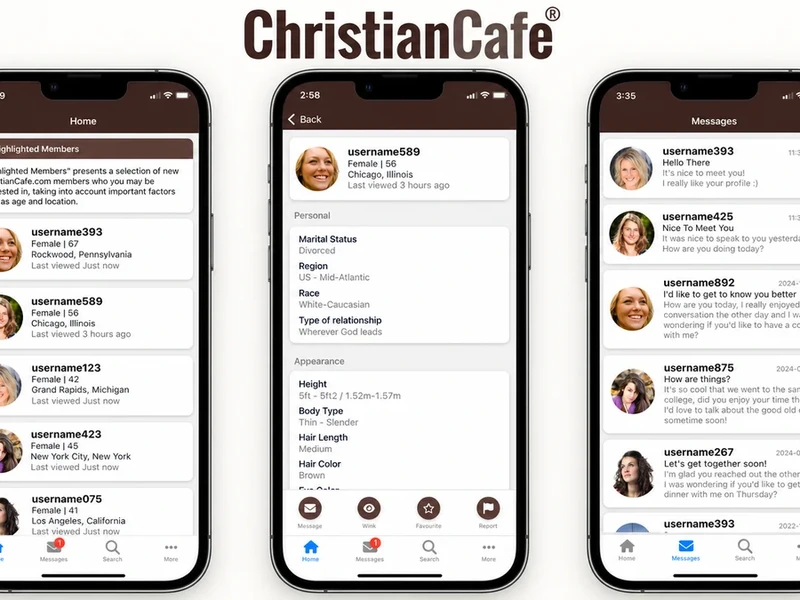
If you’d like to meet other believers online when you’re ready, ChristianCafe is a Christian dating site that has been running since 1999 and describes itself as Christian owned. Based on its homepage, new members can communicate free during a 10-day trial. For more detail, see our ChristianCafe review.
Visit ChristianCafe →
Affiliate link
- Christian Owned
- Since 1999
- 10-Day Free Trial
Free 10-day trial advertised · Checked Nov 17, 2026; terms can change
If faith is one of several things you’re matching on and marriage is the goal, eHarmony (Affiliate link) asks members to complete a detailed compatibility questionnaire before it suggests matches. It isn’t a Christian site, so be clear about your faith in your profile. Our guide to dating sites for marriage compares more options.
When meeting in person for the first time, choose a public venue in daylight, arrange your own transportation, and tell a friend your plans. For practical precautions, review our online dating safety checklist. Keep in mind that profile verification confirms account identity, not personal character or safety.
Taking it slowly (and red flags to watch for)
Dating after divorce works best at a patient pace. Observe how someone behaves in everyday situations and whether their actions match their words. Daytime coffee or walks allow gradual connection without premature intensity.
Setting boundaries early helps build a healthy dynamic. Be open about your parenting schedule, your pace, and your faith standards. A respectful partner will appreciate clear boundaries rather than trying to push past them.
As you get to know someone, watch for specific red flags:
- Belittling your past or family: Treating your divorce as a moral failing, speaking down about your children, or acting as though you should settle because you were married before.
- Rushing commitment or remarriage: Pushing for exclusivity right away, discussing marriage within weeks, or pressing to move in together before trust and pastoral counsel are established.
- Trying to isolate you: Discouraging time with your children, questioning your loyalty to longtime friends, or pulling you away from your church community.
- Talk of faith without fruit: Speaking often about Christian ideals while showing little patience, honesty, humility, or kindness in everyday interactions.
- Lingering bitterness toward an ex: Speaking with ongoing anger about their own former partner and refusing to take any ownership of past struggles.
If a dating relationship involves controlling behavior, intimidation, harassment, or threats to your emotional or physical safety, prioritize your well-being immediately; reach out to trusted friends or family, and contact the National Domestic Violence Hotline (1-800-799-7233 or thehotline.org) for confidential support.
8. Frequently Asked Questions: Christian Dating After Divorce
Is it a sin to date after divorce?
Churches hold differing views on dating and remarriage after divorce. Some traditions treat marriage as an indissoluble covenant, while others recognize biblical exceptions like infidelity or abandonment and affirm remarriage with grace. Because interpretations vary, dating after divorce is not universally seen as a sin. Speak with your pastor for guidance.
How long should a Christian wait to date after divorce?
There is no mandatory biblical waiting period. Readiness depends on emotional healing, practical stability, and spiritual peace rather than a calendar rule. Most pastors recommend taking time to process grief and establish family routines. If you still carry active resentment toward an ex, waiting gives you essential room to heal.
What does the Bible say about remarriage after divorce?
Scripture touches on divorce and remarriage in Matthew 19, Mark 10, and 1 Corinthians 7. Christian traditions interpret these texts differently: some emphasize covenant permanence, while others highlight exceptions involving abandonment or infidelity. Rather than relying on online opinions, study these passages with a trusted pastor or counselor who understands your situation.
How do I tell someone I’m divorced?
Disclose your divorce early, simply, and with calm confidence within the first few dates. You do not need to share intimate details right away. A concise statement like, “I was married before, and after that hard season, I focused on healing,” communicates honesty. Save deeper conversations for when trust develops.
Should I date someone who is also divorced?
Dating another divorced believer can work well if both partners have processed their past and taken ownership of their emotional recovery. Shared experience often brings deeper empathy. Focus on their present character, spiritual maturity, and capacity for grace rather than marital history alone. Be cautious if they carry ongoing bitterness.
When should I introduce a new partner to my kids?
Wait until your relationship is steady, committed, and intentional before introducing a new partner to your children—typically after six to twelve months of consistent dating. Children need emotional security after a divorce; introducing dates prematurely creates confusion. When ready, plan a low-pressure daytime outing so your children feel comfortable.
Can I use dating apps as a divorced Christian?
Yes, dating apps can be a helpful tool when used with discernment. Choose platforms where you can state your faith and family priorities upfront. Be transparent about your values, get to know matches through messaging first, and always meet in public. Profile verification confirms account identity, not personal character or safety.
What if my church discourages remarriage?
If your congregation discourages remarriage, have a respectful conversation with your pastor to understand the church’s biblical reasoning. Pastoral counsel clarifies expectations and preserves fellowship. If your prayerful convictions lead elsewhere, consider consulting another respected Christian counselor or pastor. Navigating these differences requires prayer, humility, and careful thought regarding your spiritual home.

More relationship advice
Looking for grounded perspectives on modern dating, setting boundaries, and building healthy connections? Explore our full collection of articles in the Relationship Advice Hub.