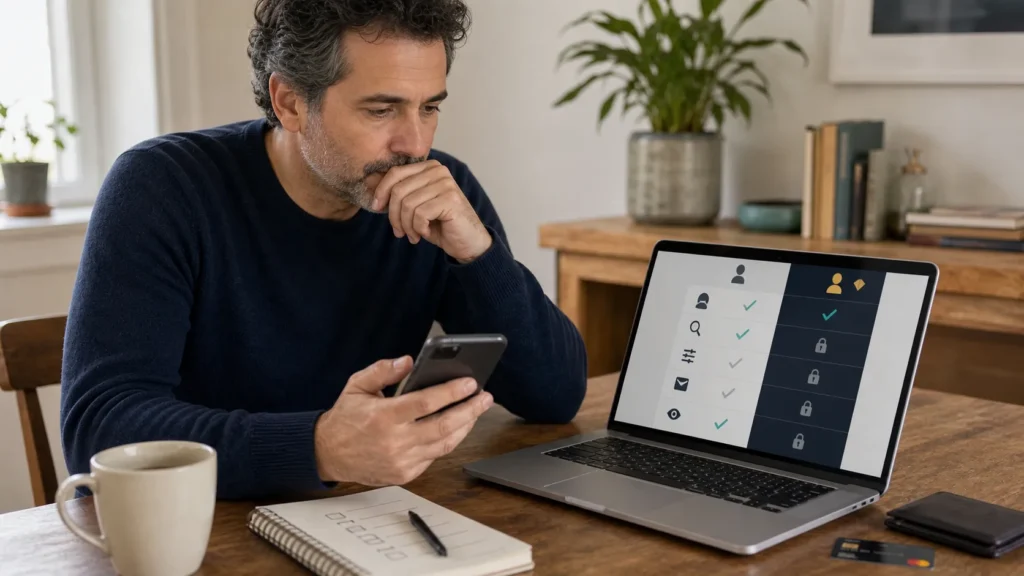
A few months ago, a friend of mine named Dave—thirty-five, smart, but deeply exhausted by modern dating—called me from his kitchen table in complete frustration. He had been using the free versions of Match and Tinder for three weeks without securing a single date. He was convinced the algorithm was deliberately shadowbanning his profile to force his hand. So, in a late-night burst of determination, he whipped out his credit card and dropped $119 on a three-month premium subscription.
Two weeks later, his inbox was still dead quiet. He assumed he had been scammed. But when I looked at his phone, the problem wasn’t a corporate conspiracy; it was Dave’s storefront. He had two dimly lit mirror selfies taken in an unmade bedroom, a bio that literally said “Ask me anything, I’m an open book,” and he was spending his paid direct messages on profiles that hadn’t logged into the app since Memorial Day.
Paying for a dating app is exactly like buying an expensive boutique gym membership: handing over your credit card doesn’t magically build muscle on your frame. It just buys you access to the equipment. If your profile is half-built and your opening messages are flat, all a premium badge does is broadcast that unappealing product to more people at higher speed. Here is how dating app paywalls actually manipulate your psychology, what free accounts can realistically accomplish, and how to stress-test an app before you hand over your billing details.
The unfiltered truth: A paid subscription buys tools and speed—it never buys someone else’s attraction, chemistry, or readiness for a relationship. Never upgrade simply to satisfy your curiosity about a blurred “someone likes you” counter. Only pay when a platform has already proven that your local city has an active, relevant pool of singles, and when upgrading removes a specific communication roadblock that is actively stopping you from meeting someone.
Table of Contents
1. The Three Psychological Traps Dating Apps Use to Get Your Card
Dating apps are businesses engineered by behavioral economists. They know exactly which emotional triggers prompt a frustrated single person to make an impulse purchase at 11:00 PM on a Sunday. Before examining specific platform rules, learn to spot the psychological hooks:
A. The “Frosted Glass” Mirage (Ghost Likes)
You download an app, upload your photos, and within three hours a bright yellow or gold badge announces: “12 people liked you!” But their faces are hidden behind a heavy frosted-glass blur. The curiosity is almost unbearable. Your ego tells you that your future spouse might be sitting in that blurred queue.
You pay $35 to unlock the grid. What actually happens? Nine of those twelve accounts live 400 miles away because the app widened your geographic radius during onboarding. Two are obvious crypto-scam bots using stolen influencer photos. And the remaining one is someone you would have swiped left on in half a second during normal browsing. That blurred counter is a monetization trap designed to harvest impulse subscriptions.
B. The “Lapse Notification” Spurt
Notice what happens when you let a paid subscription expire or turn off auto-renewal. During your final paid week, incoming interest usually slows down. But within seventy-two hours of your account reverting to free, your phone suddenly lights up with push notifications: “Someone viewed your profile!” or “You have a new mutual match waiting!”
This is algorithmic re-engagement. The system knows you have demonstrated a willingness to pay in the past, so it aggressively surfaces dormant interactions or broad-network signals to trigger your Fear of Missing Out (FOMO) and prompt an immediate re-subscription.
C. The “Weekly Breakdown” Fiction
Pricing pages love to display figures like “$4.99 / week.” It sounds harmless—the cost of an oat-milk latte. But read the fine print before hitting confirm. Dating platforms virtually never bill you $4.99 every seven days. They charge you a single, lump-sum payment of $119.88 upfront for a six-month commitment.
Worse, almost every major service embeds continuous-service clauses that automatically renew that subscription at standard, non-promotional rates unless you manually navigate through four confirmation screens to shut it off. Treat the checkout screen as a binding commercial contract, not a casual trial.
2. What Does “Free” Actually Mean? The Four Access Tiers
When an app markets itself as “free to join,” that statement is technically true and practically useless. In online dating, access exists on four distinct levels:
- Tier 1: Free Registration. You can download the app, enter your phone number, and pass security.
- Tier 2: Free Profile Building. You can answer prompts, upload photos, and configure basic filters.
- Tier 3: Free Discovery (Window Shopping). You can browse the local catalog, view unblurred photos, and send outgoing likes.
- Tier 4: Free Two-Way Communication. You can read incoming messages, send customized text, and carry on a complete conversation without ever pulling out a credit card.
Most traditional platforms (Match, OurTime, eharmony) stop your free access dead at Tier 3. Modern swipe apps (Hinge, Bumble, Tinder) allow Tier 4 communication, but restrict discovery volume and advanced lifestyle filtering. Understanding which tier you are operating on determines whether paying is mandatory or merely a luxury.
3. What Free Access Looks Like Across Four Mainstream Dating Sites
Rather than relying on marketing copy, we audited the actual account flows, free dashboards, and paywall triggers across four major platforms. Here is where the paywall actually drops:
OurTime: Window Shopping Is Free, Messaging Is Locked
In our walkthrough of the OurTime free account flow, older singles aren’t shut out completely. The free dashboard displays unblurred profile photos, allows users to read bios, and lets you fire off likes to express initial interest. That provides genuine utility: you can verify whether your local area has active daters over fifty before spending money.
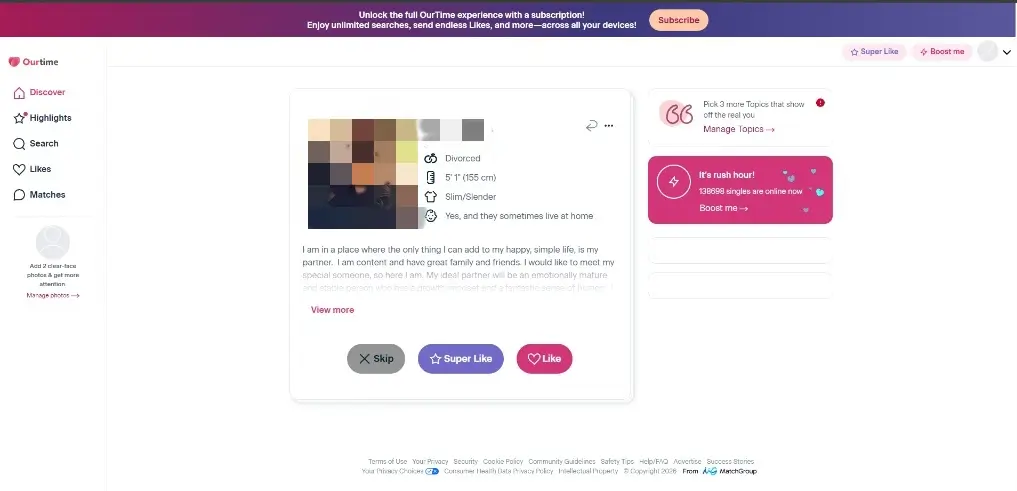
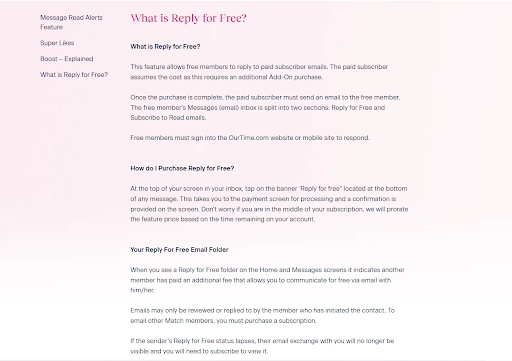
The friction arrives the second you attempt to communicate. OurTime states in its official documentation that a free member cannot freely read or reply to inbound messages unless the paying sender specifically purchased an expensive “Reply for Free” package add-on. If you want a consistent, ongoing conversation, subscribing is practically unavoidable.
SeniorMatch: Passive Replies vs. Active Outreach
SeniorMatch enforces a nuanced communication rule that catches many users off guard. According to its reviewed platform FAQ, a Standard (free) member can read and reply to private messages—but only if a paid Premium member initiates the conversation first.
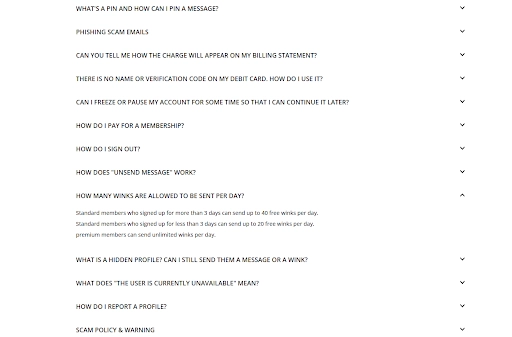
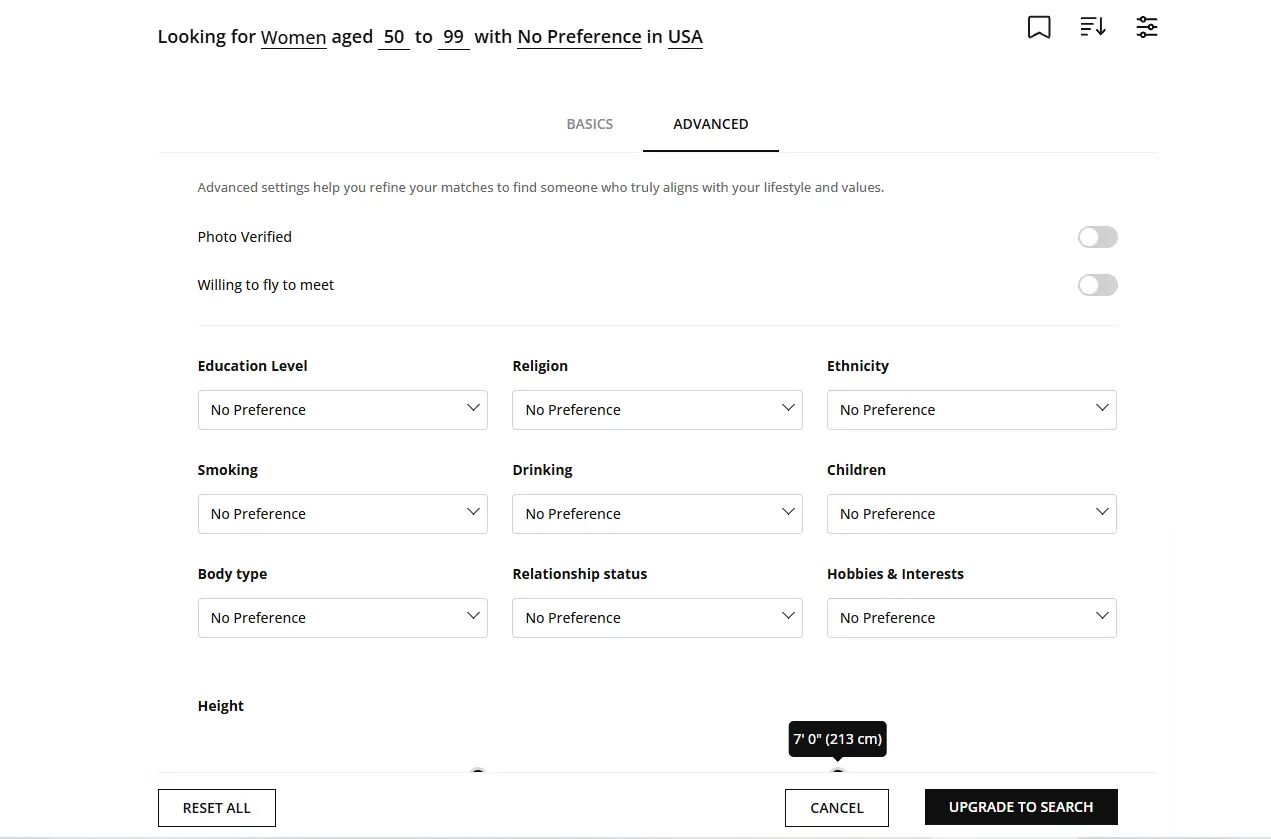
If you are patient and live in a high-density market where paying members frequently reach out to you, you can theoretically use SeniorMatch without subscribing. But if you see an appealing profile and want to take the initiative, the paywall drops immediately. Furthermore, granular search filters—like education, religion, and lifestyle details—remain firmly locked behind the Premium tier.
Match: High Visual Breadth, Hard Messaging Gates
Match is the classic department store of online dating. The signup flow is fast, browsing is wide open, and photos are displayed in crisp detail. You can browse thousands of local singles, explore advanced lifestyle fields, and send initial likes.
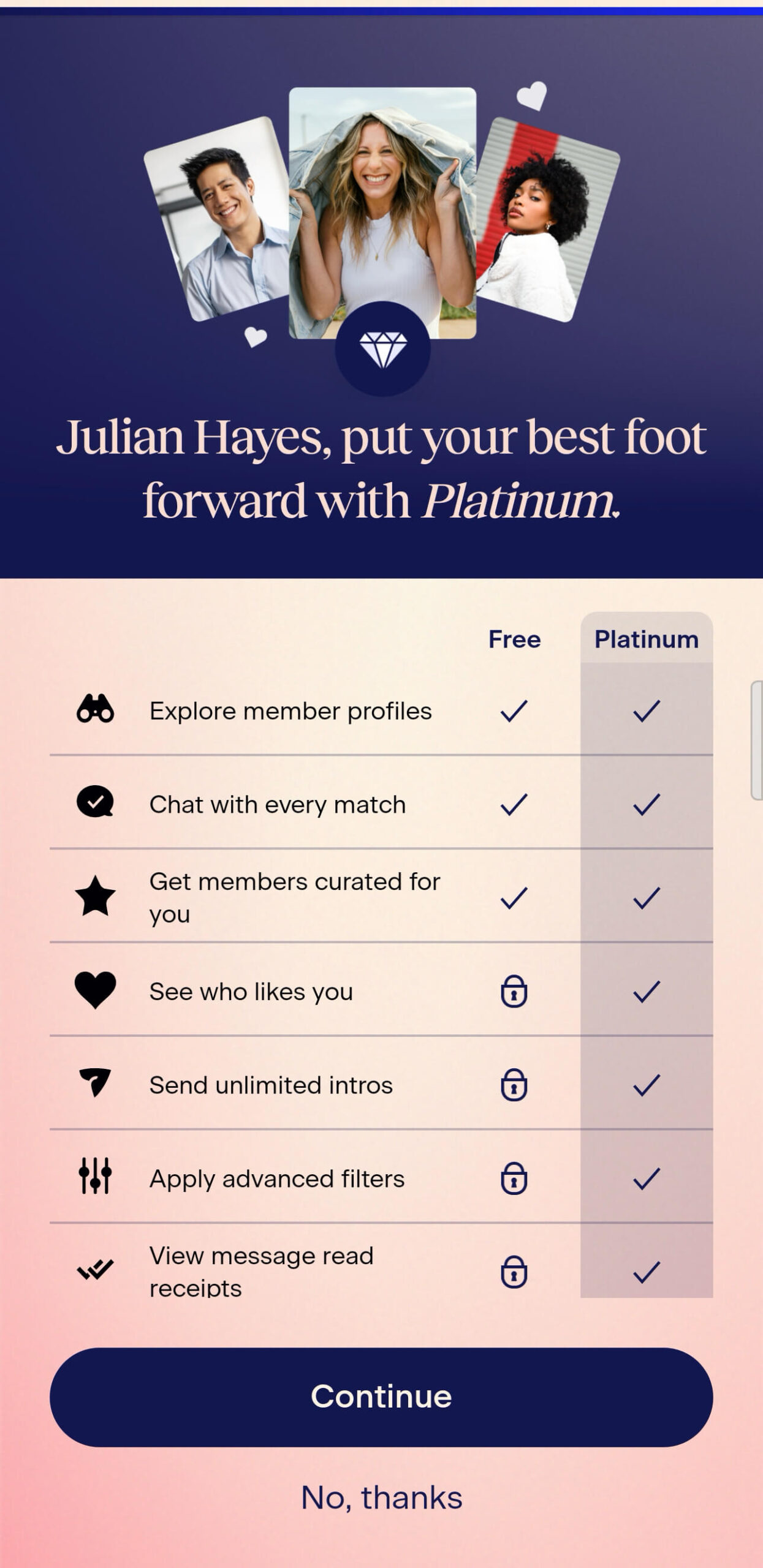
However, Match draws a hard line at direct contact. Unless a paying subscriber adds an optional “Reply for Free” feature to their own account, free users cannot conduct ongoing two-way conversations. Match gives you the tools to see who is in the room, but you must purchase a ticket before you can sit at the table and talk.
ChristianCafe: A Temporary All-Access Pass, Not an Ongoing Free Tier
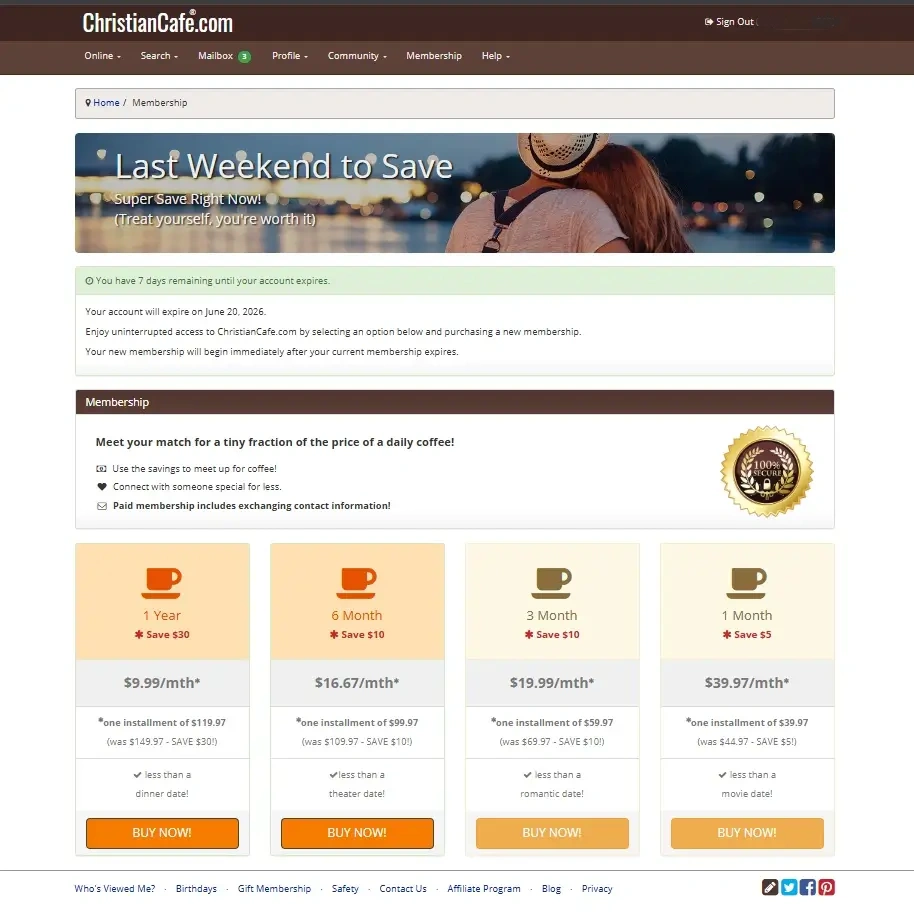
ChristianCafe must be evaluated through a completely different lens. It does not operate a permanent free tier with restricted features; it runs a temporary 10-day free trial (typically 7 days by default, plus 3 bonus days upon uploading a profile photo).
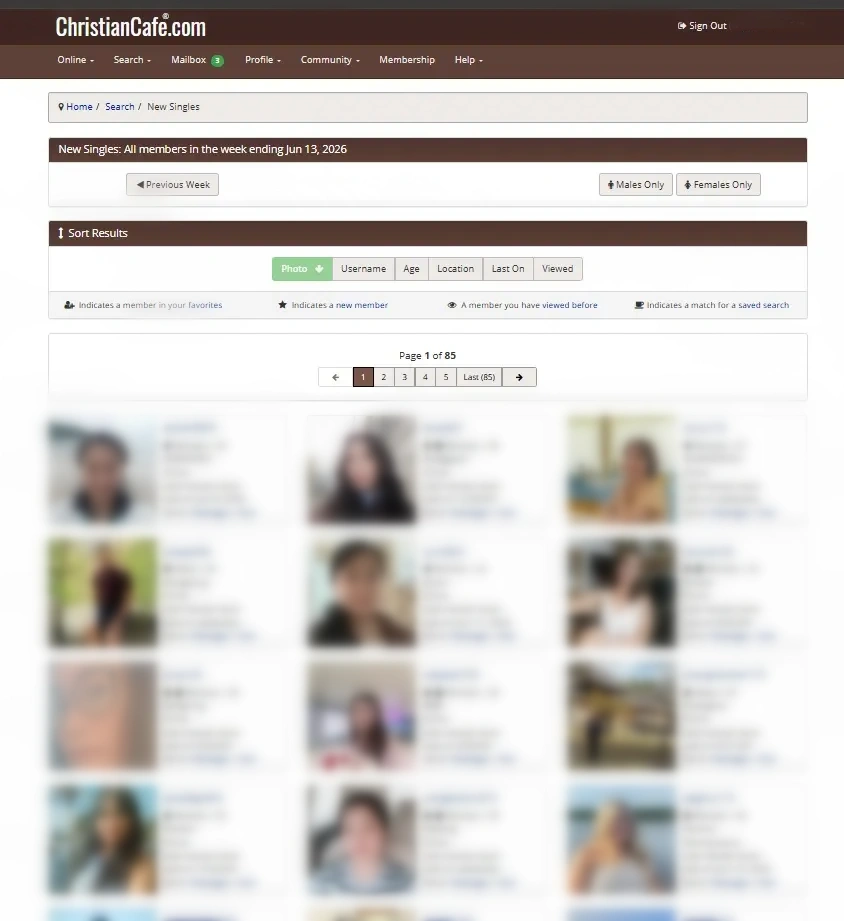
During those ten days, you possess 100% full communication privileges: sending private messages, reading incoming notes, and utilizing faith filters. But the moment day ten expires, the door shuts completely. If you haven’t subscribed, your messaging access terminates immediately.
4. The 3-Step Stress Test to Run Before You Enter Your Card
Before you commit $30 to $60 a month to any dating site, spend forty-eight hours running this zero-cost stress test inside the free account:
- Step 1: Check the “Last Active” Timestamps. Set your search radius to twenty miles. Look closely at the top thirty profiles returned. Does the platform display “Active Today” or “Active this Week”? If most profiles show no recent activity indicators, you are looking at an abandoned graveyard. Never pay to message ghosts.
- Step 2: Polish Your Storefront First. Upload at least four current, clear photos. Write prompt answers that mention specific, local activities rather than vague cliches. If a well-crafted profile fails to generate a single incoming like or free visit over a weekend, the local user density is simply too low to justify spending money.
- Step 3: Confirm the Exact Paywall Trigger. Identify the specific action blocking your progress. Is it an essential gate (e.g., replying to someone who just sent you a thoughtful paragraph), or is it an optional vanity tool (e.g., seeing who viewed your photos)? Only upgrade when the paywall is the sole obstacle between you and an active conversation.
5. The Tradeoffs: Pros and Cons of Paying for Online Dating
When Paying Makes Sense
- Unlocks two-way messaging on platforms with established local user density
- Advanced lifestyle, faith, and family filters eliminate hours of manual screening
- Higher subscription prices discourage casual trolls and low-effort spammers
- Saves substantial time for busy professionals who cannot swipe for hours
The Real Drawbacks
- Paying does not improve your physical attraction or conversational ability
- Lump-sum billing and aggressive auto-renewal terms can lock you into long commitments
- Does not protect against organized romance scams or catfishing
- Zero guarantee of dates, relationship compatibility, or responsive matches
Final Verdict: When Is a Paid Dating Site Actually Worth It?
A paid dating site is worth the money only when you are paying for tool efficiency, not when you are paying for hope.
If you have already confirmed that a platform has dozens of active, attractive profiles in your geographic area, if your own profile is fully calibrated and receiving occasional free interest, and if upgrading simply removes the gate so you can communicate—pay for three months, work the platform with discipline, and see what happens.
However, if you are upgrading out of boredom, frustration, or the naive belief that a Premium badge will compensate for poor photos and zero conversational effort, save your money. An app can sell you access to an inbox. What happens after someone opens your message is entirely up to you.
Frequently Asked Questions
Do paid dating sites have better quality members than free dating apps?
Not necessarily. While a subscription fee deters automated bots and casual trolls, it does not guarantee emotional maturity, honesty, or relationship readiness. Plenty of high-intent singles use free apps like Hinge, while inactive or ambiguous accounts exist across all paid platforms.
Is it worth paying just to see who liked your profile?
Almost never. The “blurred likes” queue is a classic monetization hook. In practice, unlocked likes frequently turn out to be users outside your preferred age range, people located hundreds of miles away, or inactive profiles. Spend your money on direct messaging, not curiosity.
How can I prevent unwanted auto-renewal charges?
Immediately after subscribing, navigate to your account settings or your Apple App Store / Google Play subscription dashboard and turn off auto-renewal manually. On desktop platforms like Match or OurTime, you must complete all confirmation steps until you receive a cancellation email.
Can I find a serious relationship without paying anything?
Yes. Platforms like Hinge, Bumble, and Tinder allow complete two-way messaging within their core free loops. If you have patience and an engaging profile, you can meet a long-term partner without ever entering your credit card details.

Prefer not to spend anything upfront? Read our hands-on testing guide: Free Dating Sites Without Payment: What You Can Actually Do for Free to discover platforms that permit meaningful messaging without a credit card.
Related Reviews & Guides
Explore our independent audits, pricing breakdowns, and relationship guides: