eHarmony vs Match 2026: Which Dating Platform Is Better for Serious Dating?
 Published under the pen name Julian Hayes
Winner Up Front
If you want a more guided, compatibility-led path to a serious relationship, eHarmony has the edge.
If you want more control, broader inventory, and the freedom to search for people yourself, Match is usually the better fit.
That is the real split.
Choose eHarmony if you are tired of doing your own filtering and would rather let the platform narrow the field for you.
Choose Match if you trust your own judgment more than an algorithm and want to browse, filter, and initiate based on your own criteria.
For most users, this is not really a debate about which brand is “better.” It is a decision about how you want dating to work.
If you prefer a structured approach, eHarmony provides a heavily filtered path. If you value autonomy, Match offers more browsing control and search flexibility.
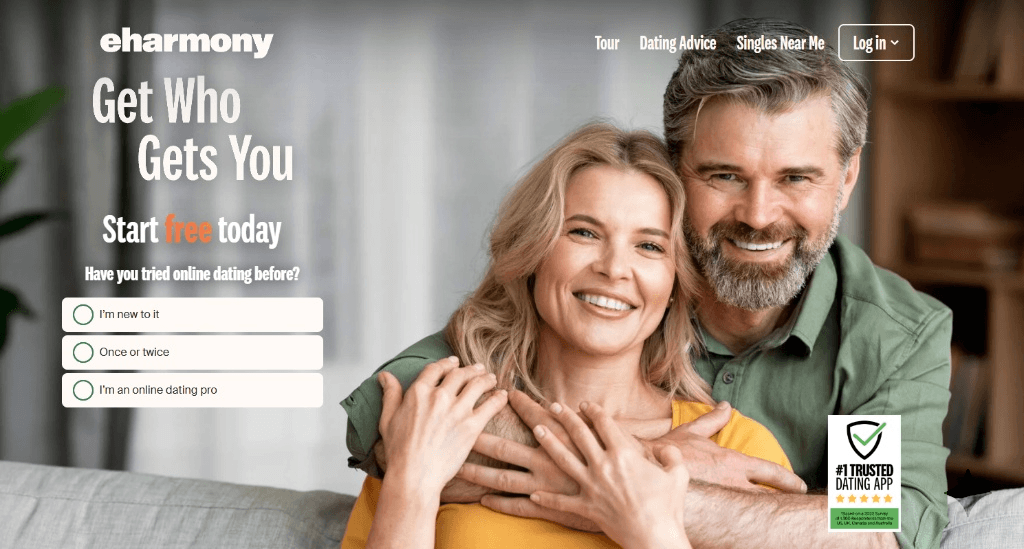
- Guided compatibility process based on detailed onboarding
- Longer initial setup designed to filter user intent
- Better for users who want the algorithm to do the sorting
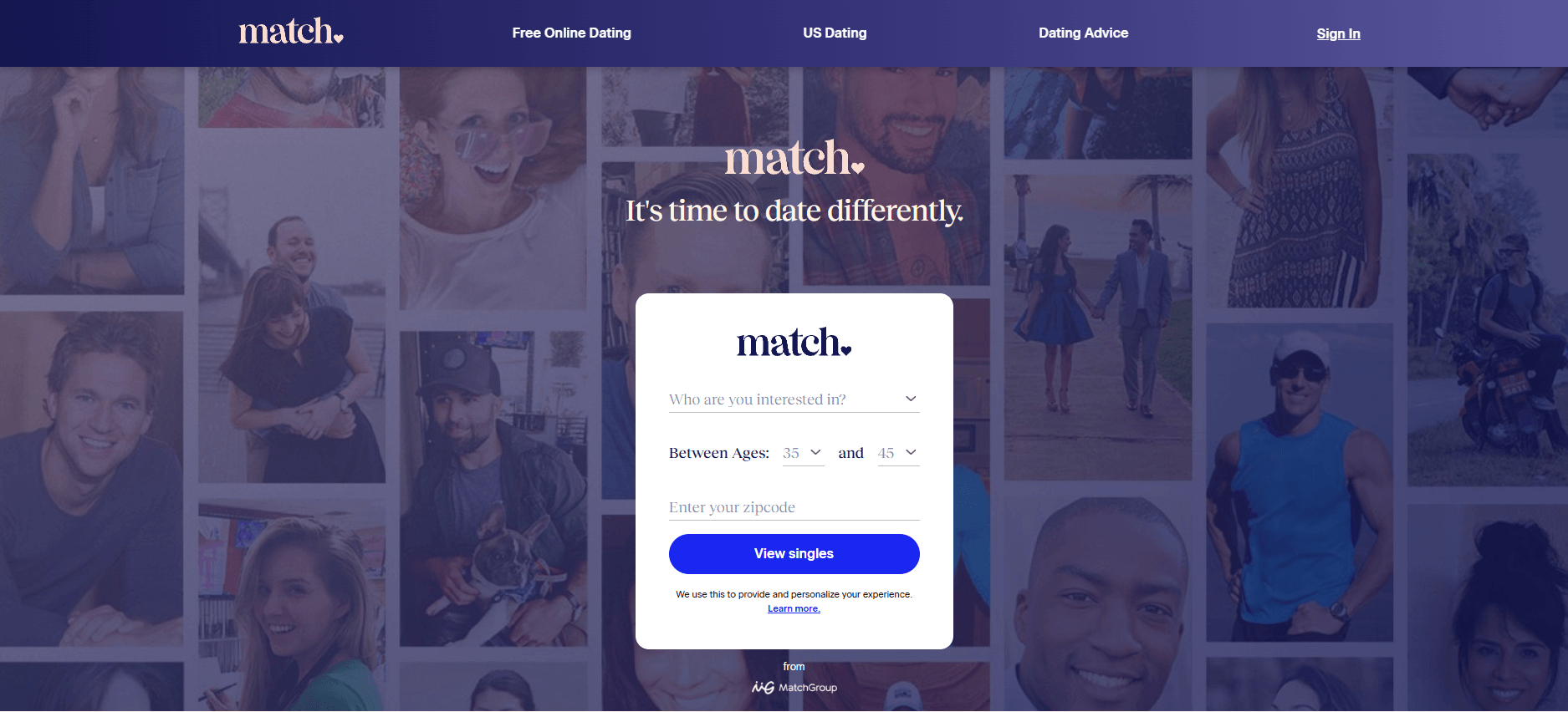
- Manual search and browsing with extensive filters
- Faster setup flow for quicker directory access
- Better for users who want complete control and broader inventory
Quick Comparison
| Feature | eHarmony | Match |
|---|---|---|
| Search Style | Primarily curated recommendations | Manual browsing with stronger search control |
| Pacing | Slower and more guided | More flexible and more user-directed |
| Onboarding | Longer compatibility questionnaire | Faster setup and profile creation |
| Pricing Feel | Higher commitment and more premium-leaning | More flexible and easier to test |
| Best For | Marriage-minded users who want filtering done for them | Serious daters who want more freedom and volume |
| Core Strength | Compatibility-led curation | Search filters and browsing control |
Best for Serious Relationships: eHarmony
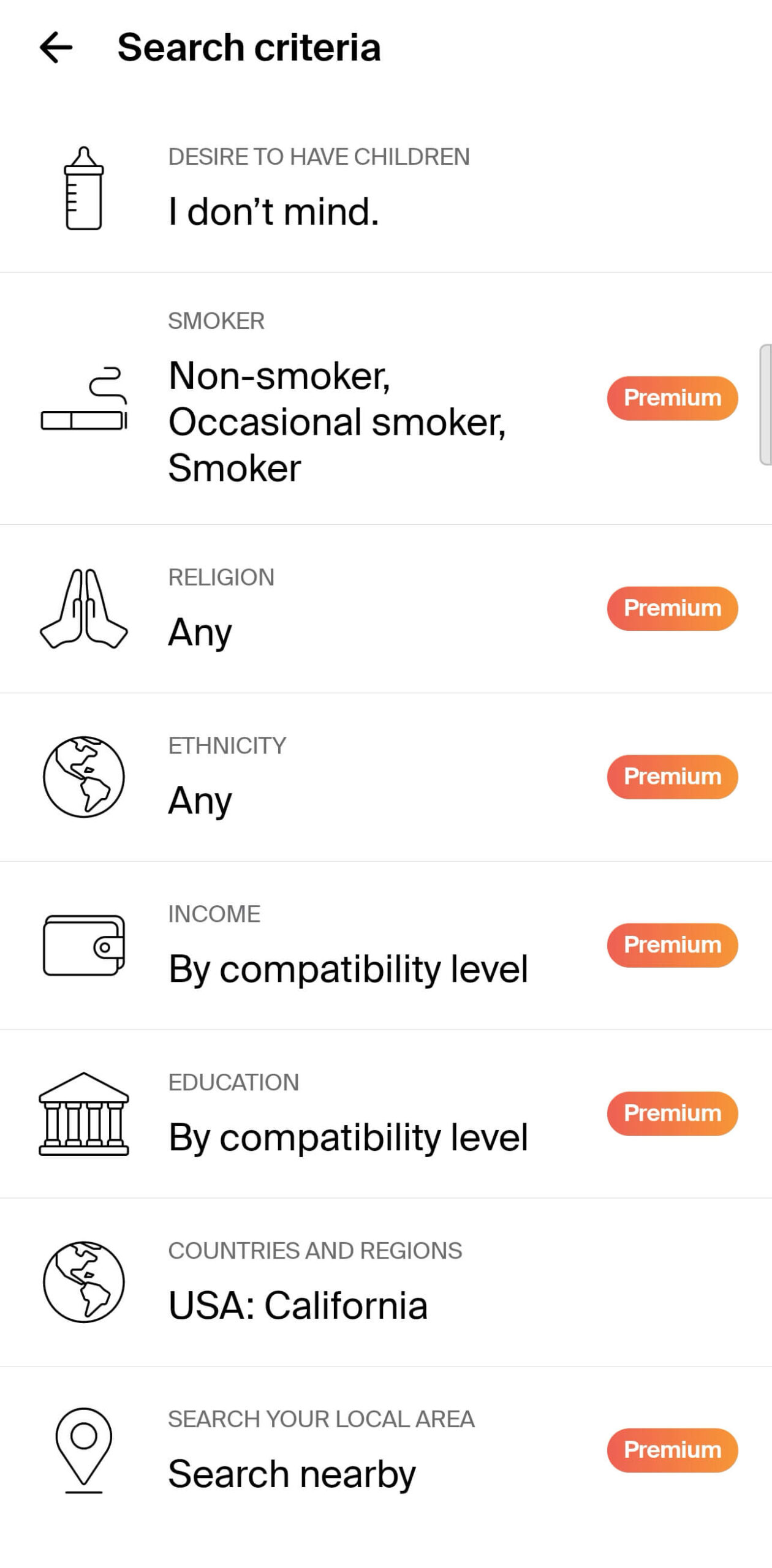
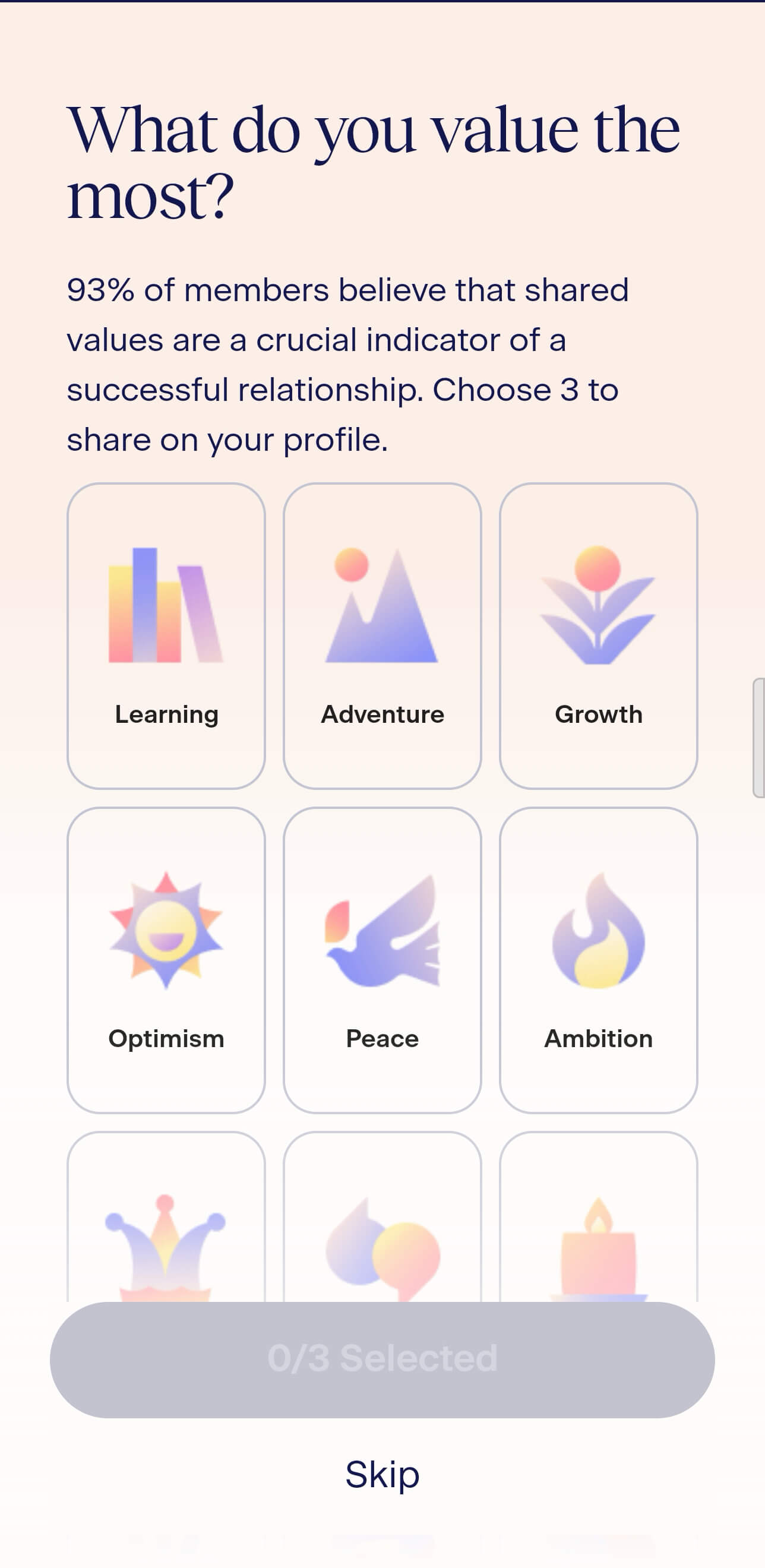
If your top priority is long-term compatibility and a more marriage-minded structure, eHarmony usually has the edge.
That does not mean it performs magic. It means the platform is built around a slower, more structured process that tends to appeal to users who are more comfortable with commitment-oriented dating. The longer onboarding flow, guided matching system, and narrower pace all help reduce casual intent and make the environment feel more relationship-led.
Match also has serious users. Plenty of them. But it gives users more freedom, and that freedom comes with more sorting. If you are willing to do the filtering yourself, Match can absolutely work for long-term dating. If you are tired of screening out lower-fit options manually, eHarmony makes more sense.
The tradeoff is simple: eHarmony gives you less control, but more built-in filtering.
If you want the fuller breakdown, see our full eHarmony review and Match review.
Best for Control and Browsing Freedom: Match
Match is easier to use if you want dating to feel more direct and less controlled.
The biggest reason is freedom. You can browse profiles, apply your own filters, adjust your search criteria, and move through the pool at your own pace. That makes Match feel much more responsive than a platform that relies heavily on curated recommendations.
By contrast, eHarmony can feel restrictive for people who want to explore actively. It is better suited to users who are comfortable letting the platform control the flow rather than choosing exactly who to browse every session.
If you want a dating platform that behaves more like a search tool and less like a guided system, Match is the clear winner.
For users who already know they prefer search and filtering over algorithm-led pacing, our full Match review goes deeper into how that experience actually feels in practice.
Best for Value and Market Flexibility: Match
For most users, Match is the better value.
That is not just because the pricing structure tends to feel more flexible. It is also because Match lets you evaluate the platform more directly. You can get a sense of local inventory, browse profiles, and understand what kind of pool you are working with before deciding how seriously you want to commit.
eHarmony asks for more trust upfront. That can be worth it if you strongly prefer guided matching and want the platform to do more of the compatibility work for you. But if you care about optionality, control, and lower commitment pressure, Match usually feels like the more practical spend.
This is especially true for users who want to test a market before paying heavily.
Scale matters here too. In major metro areas, eHarmony’s more filtered approach can work well because there is enough underlying inventory to support a slower, more curated experience. In smaller cities and thinner markets, Match is often the safer option because broader inventory matters more.
So if geography is a concern, Match is usually the lower-risk choice.
- More pay-oriented experience from the start
- Stronger lock behind premium communication and photos
- Better for users already committed to the guided matching process
- Easier to evaluate local profiles before committing
- More browsing freedom remains on the free tier
- Better for users testing local inventory before paying
Better Choice if You Are Burned Out: eHarmony
Users who are tired of endless browsing, dead-end conversations, and low-intent matches often prefer eHarmony’s more controlled structure.
That does not mean it is automatically more effective for everyone. It means it reduces the amount of decision-making you have to do yourself. For burned-out users who no longer want to act as their own full-time filter, that can be a real advantage.
Match gives you more room, but also more responsibility. For the wrong user, that feels like work.
So if your main frustration is not “I cannot find enough people,” but rather “I am tired of screening all of them myself,” eHarmony usually makes more sense.
Better Choice if You Are Over 40
Both platforms can work well for users over 40, but they suit different temperaments.
Choose eHarmony if you want dating to feel more filtered, more values-led, and less like an open marketplace.
Choose Match if you want a broader range of people, more control over pacing, and the ability to browse widely before deciding who fits.
If you are re-entering dating after divorce or a long relationship, Match often feels easier to re-learn. If you are done experimenting and want something more guided, eHarmony can make more sense.
This is one of the clearest age brackets where both platforms can work — the deciding factor is usually not age itself, but whether you want freedom or filtering.
Final Recommendation
This decision mostly comes down to control versus filtering.
Choose eHarmony if you want the platform to take more of the decision-making burden off your plate. It is better for users who value structure, compatibility-led matching, and a more guided path toward long-term commitment.
Choose Match if you want to stay in the driver’s seat. It is better for users who value flexibility, search power, and a larger dating pool they can manage themselves.
Neither platform is universally better.
But for the right user, the difference is clear:
- eHarmony is better for outsourcing the filtering
- Match is better for controlling the search
Your choice ultimately depends on how you want to date: eHarmony for algorithmic curation, or Match for self-directed searching.
FAQ
You can create a profile on both without paying, but the free experience is not identical. Match is generally more usable in evaluation mode, while eHarmony pushes users more quickly toward paid participation.
Both can work for serious dating, but eHarmony usually has the edge if you want a more marriage-minded, compatibility-led structure.
Match does. It gives users more freedom to browse, filter, and choose who to pursue on their own terms.
Match is usually the safer option in thinner markets because broader inventory matters more when local depth is limited.
Both can work well after 40. eHarmony is better for users who want more filtering and structure. Match is better for users who want broader choice and more browsing control.
Neither platform is immune to bad accounts, but both operate in a more structured way than fully casual swipe apps. In practice, the bigger difference is not “zero fake profiles” versus “many fake profiles,” but how much filtering and screening you still need to do yourself.